


References
URBAN SERVICES
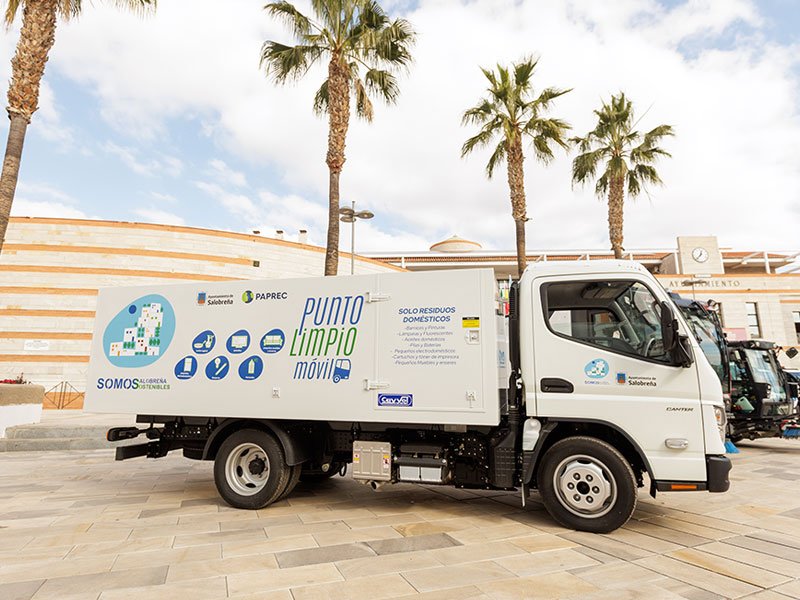
SALOBREÑA
(Granada, Andalusia)
Municipal waste collection and street cleaning contract for the town, which has a population of 12,396 inhabitants. It operates with a modern fleet featuring a high percentage of electric vehicles. The contract commenced on 1 June 2023.
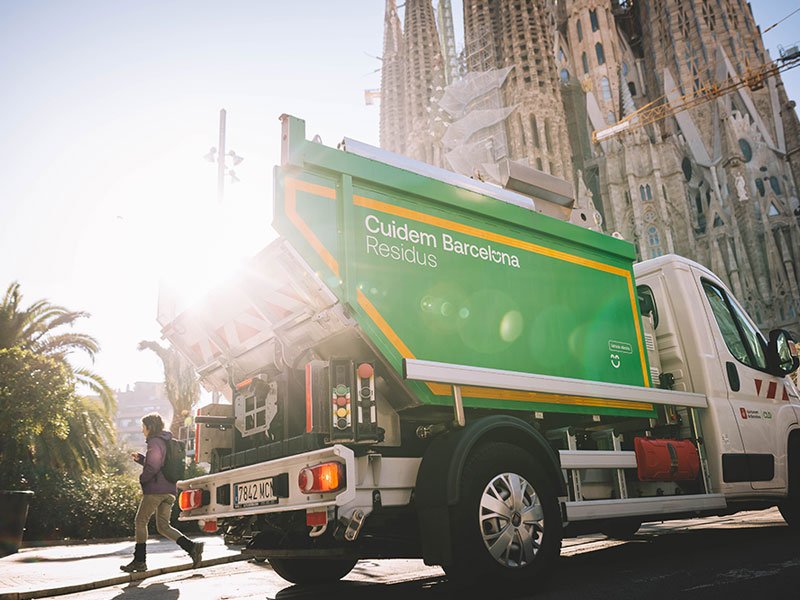
BARCELONA
(Catalonia)
Waste collection and street cleaning contract for the western area of Barcelona, providing services to more than 400,000 residents across 3 districts. It is the largest contract in the city of Barcelona and, at the same time, one of the largest waste collection contracts in Europe.
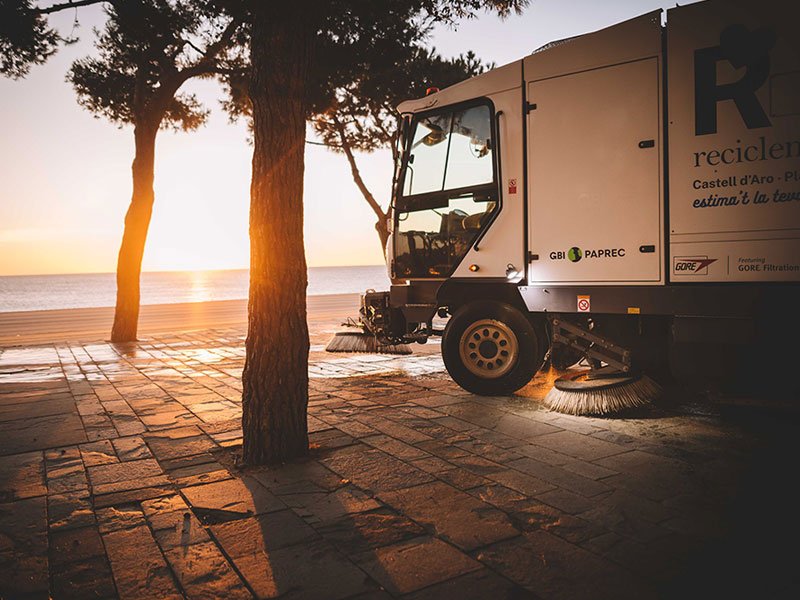
LLORET DE MAR
(Girona, Catalonia)
Waste collection and street cleaning contract for Lloret de Mar, covering street cleaning, beach cleaning, recreational area cleaning, as well as waste collection and transport, and the management of recycling centres.
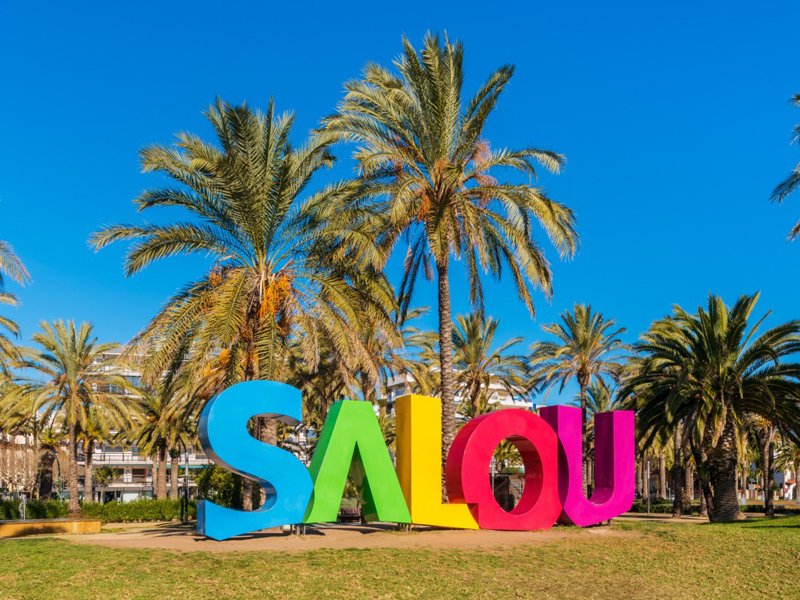
SALOU
(Tarragona)
Waste collection and street cleaning contract for the municipality of Salou, which has a population of around 30,000 inhabitants, increasing fivefold during the peak tourist season.
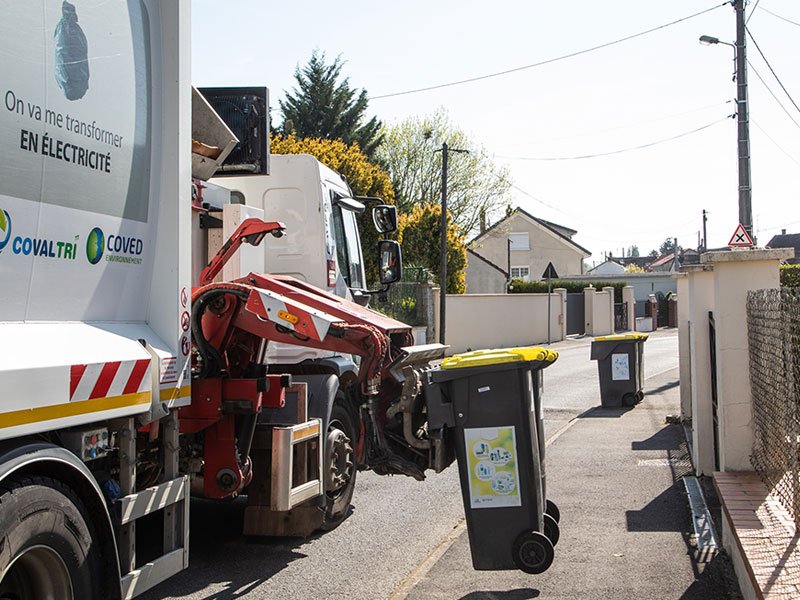
COVALTRI 77
(Coulommiers, Paris region)
Waste collection contract that commenced on 1 January 2020. It provides services to 146,000 residents across 111 municipalities.
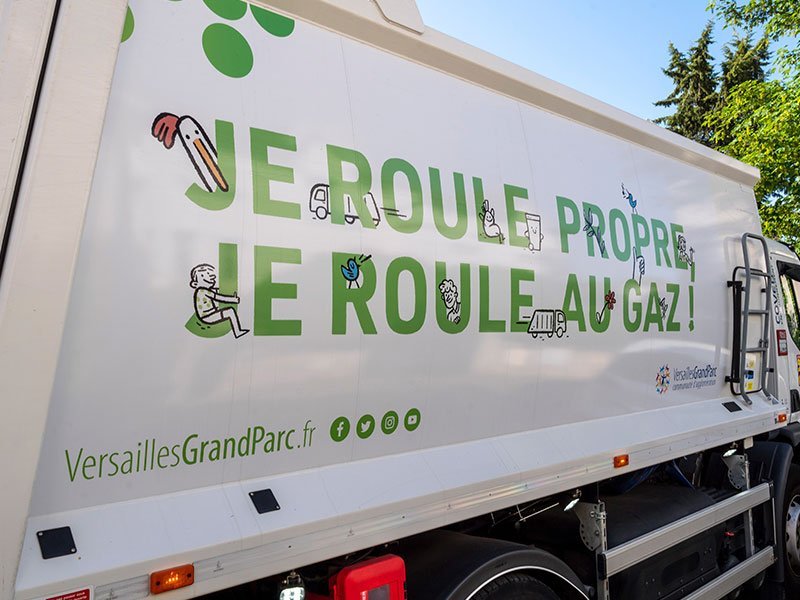
VERSAILLES - GRAND PARC
Versailles, Paris
Waste collection contract that commenced on 1 April 2021. It provides services to 100,000 residents across 14 municipalities and includes the collection of municipal solid waste, bulky waste and green waste.
RECYCLING CENTRES
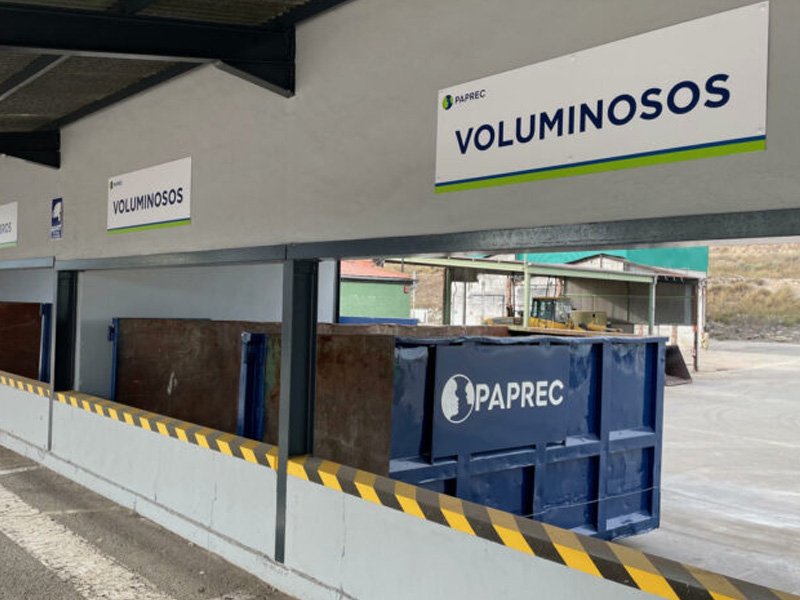
VILLENA
(Alicante, Valencian Community)
Recycling centre where the residents of Villena can dispose of their waste in a controlled and free-of-charge manner, with the aim of facilitating and ensuring its proper management. It is equipped with different types of clearly identified containers for waste disposal, including rubble, iron-aluminium-metal, wood, household appliances, and more.
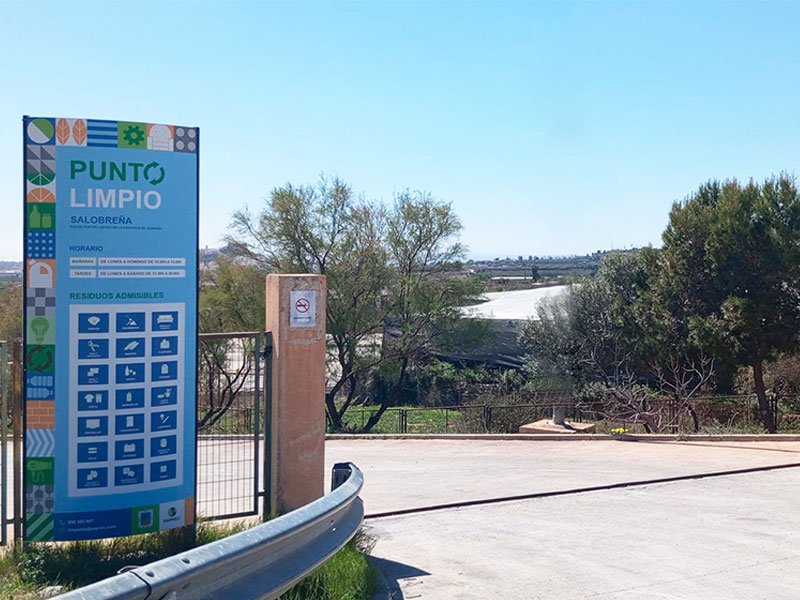
SALOBREÑA
(Granada, Andalusia)
Located in a strategic area of the town, residents can bring different types of waste that are not collected regularly through the municipal service. It features specific containers for each type of material and also offers additional services, such as bulky waste collection and the exchange of reusable items in good condition.
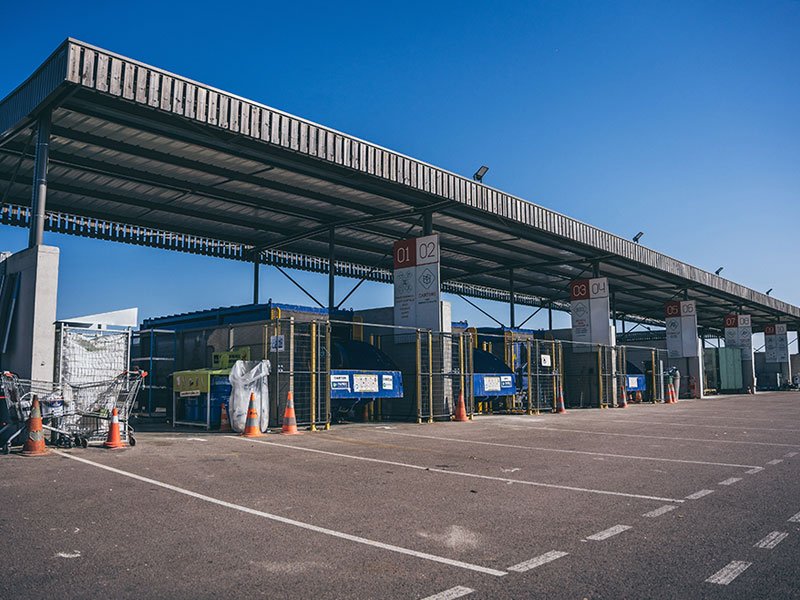
GRAND CHALON
(Saône-et-Loire, Burgundy region)
Contract managing 9 recycling centres across the area. It is equipped with specialised machinery, including compactor containers and electric telescopic handlers. Its 12 employees assist users by providing guidance on proper waste separation, helping to achieve more efficient recycling.
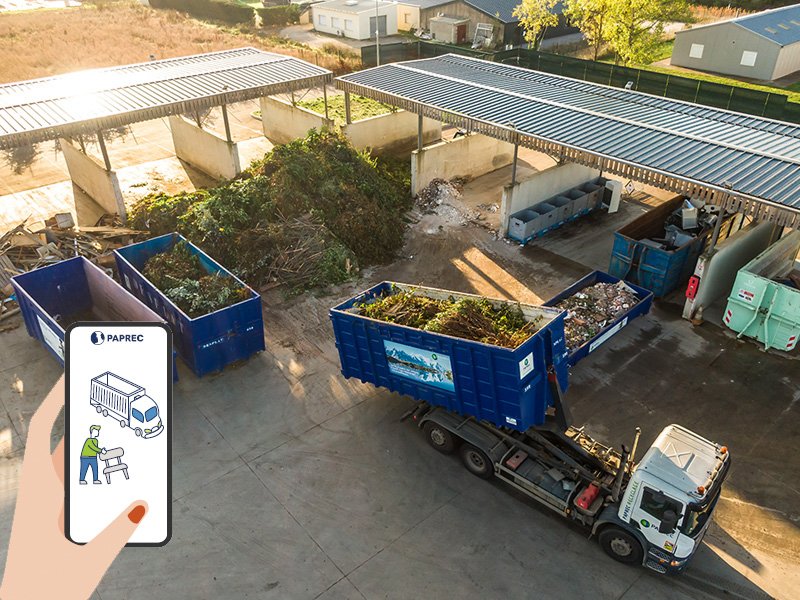
SMICTOM
(Chinon, Indre-et-Loire region)
Manages 10 recycling centres across the area. It stands out for its strong commitment to material recovery and for the precise monitoring of waste deliveries carried out by reception staff. The “MONTRI” mobile app is used to optimise users’ visits to the recycling centres and encourage reuse initiatives.
RECYCLING
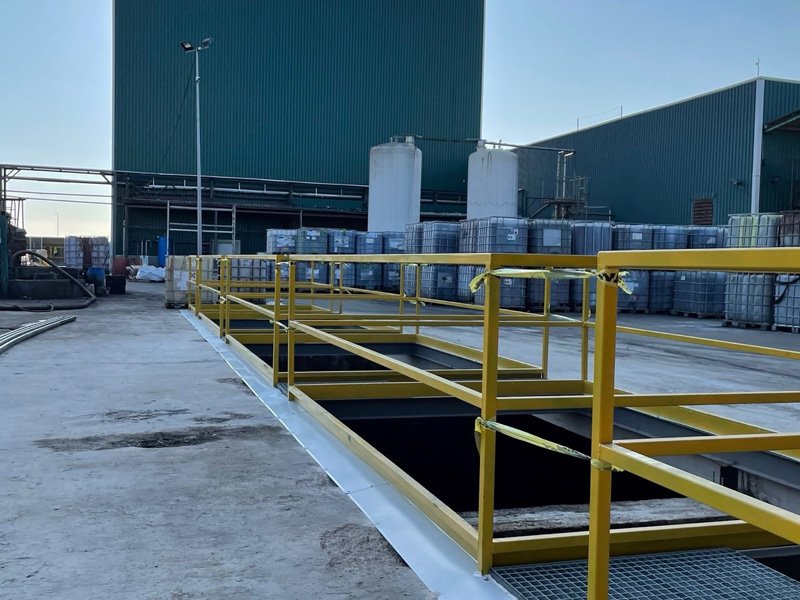
CTR MEDITERRÁNEO
(Vall d’Alba, Valencian Community)
Treatment plant providing comprehensive waste management services. Its activities include the physico-chemical treatment of industrial wastewater, recovery of inorganic solids and sludge, metal treatment, and confidential paper destruction.
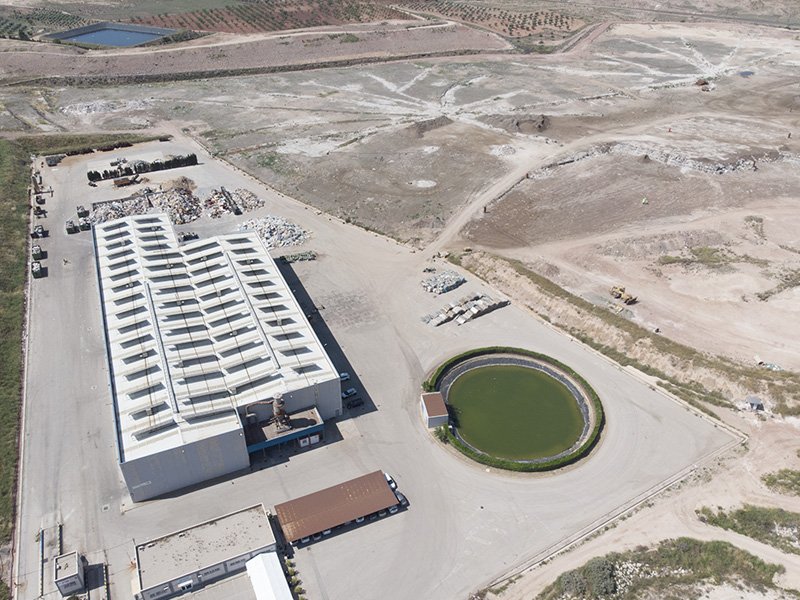
RECIMED
(Villena, Alicante)
Non-hazardous industrial waste treatment plant. This industrial complex covers a range of waste management activities, including treatment, sorting, recovery, leachate treatment, end-of-life tyres, and landfill management.
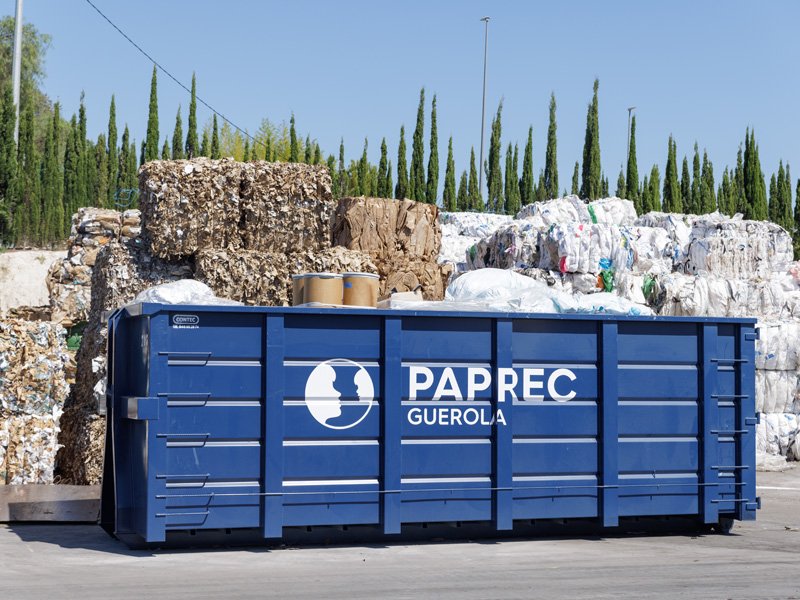
GUEROLA
(Valencia, Valencian Community)
Company with more than 25 years of experience specialising in paper and cardboard recycling, as well as confidential document destruction. It also provides services including:
- Environmental consultancy
- Waste management
- Container services
- Installation of presses, compactors and shredders
- Collection of waste electrical and electronic equipment (WEEE)
- Reception and collection of metals and scrap
- Management of animal by-product waste (SANDACH)
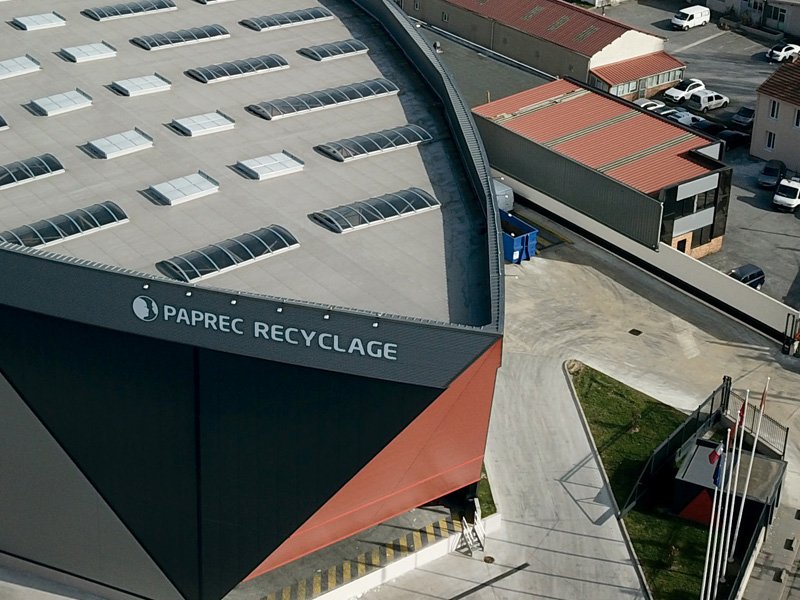
LA COURNEUVE
(Seine-Saint-Denis, Paris region)
An iconic facility where the Paprec journey began in 1994. Today, it is a centre specialised in the recycling of recovered paper. The site has been completely refurbished, incorporating new ultra-efficient machinery and a fully renewed fleet of trucks. It processes more than 60,000 tonnes of recovered paper, sorting it into bales of 35 different grades of material, which are subsequently sold.
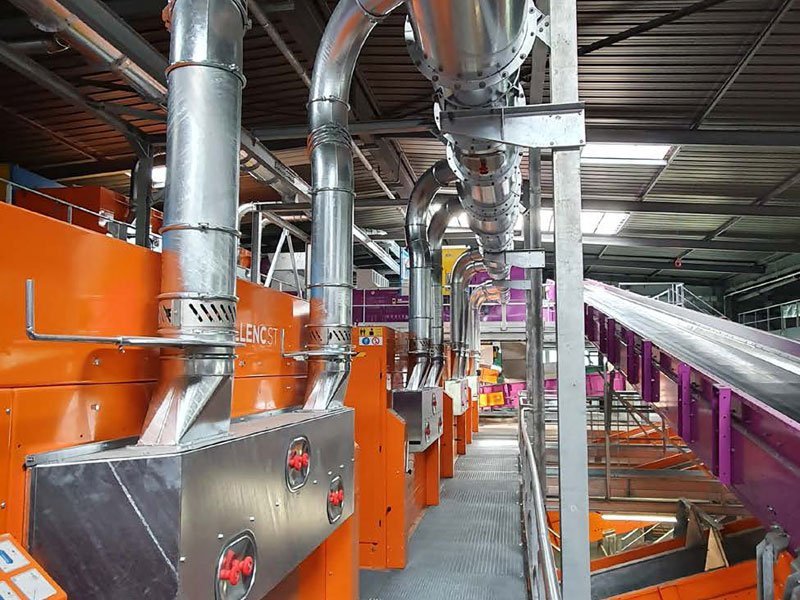
TRIVALO 69
(Chassieu, Auvergne-Rhône-Alpes region)
Recycling plant for waste collected through selective collection systems, with an annual processing capacity of around 60,000 tonnes. It is equipped with the first sorting robot using artificial intelligence, known as MAXX. Since its construction, Paprec has invested more than €25 million in this facility.
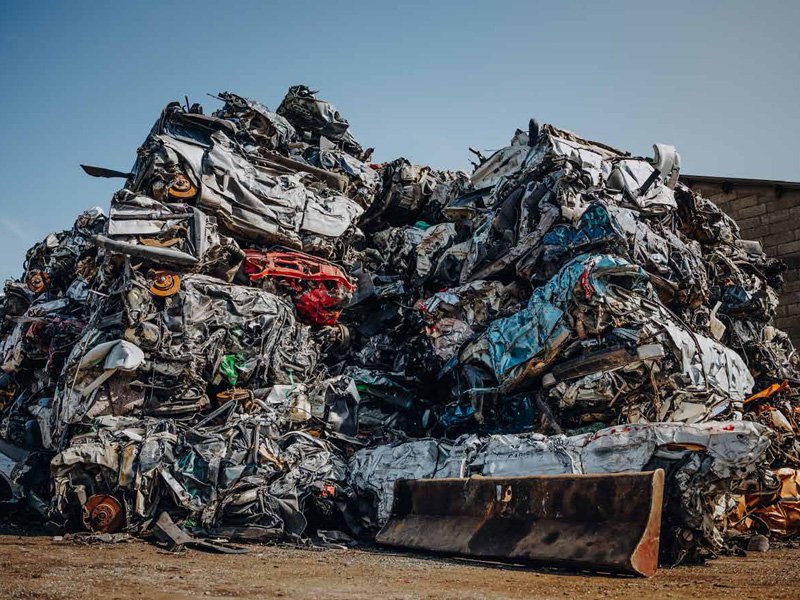
PAPREC AUVERGNE
(Saint-Ours-les-Roches, Auvergne-Rhône-Alpes region)
Facility recycling metals, paper, plastic, wood, commercial and industrial waste (C&I waste), and 2,500 End-of-Life Vehicles (ELVs). ELVs are classified as hazardous waste at European level due to the liquids and components they contain. However, if these are properly removed, the vehicles are decontaminated and may therefore lose their hazardous waste classification.
ENERGY RECOVERY
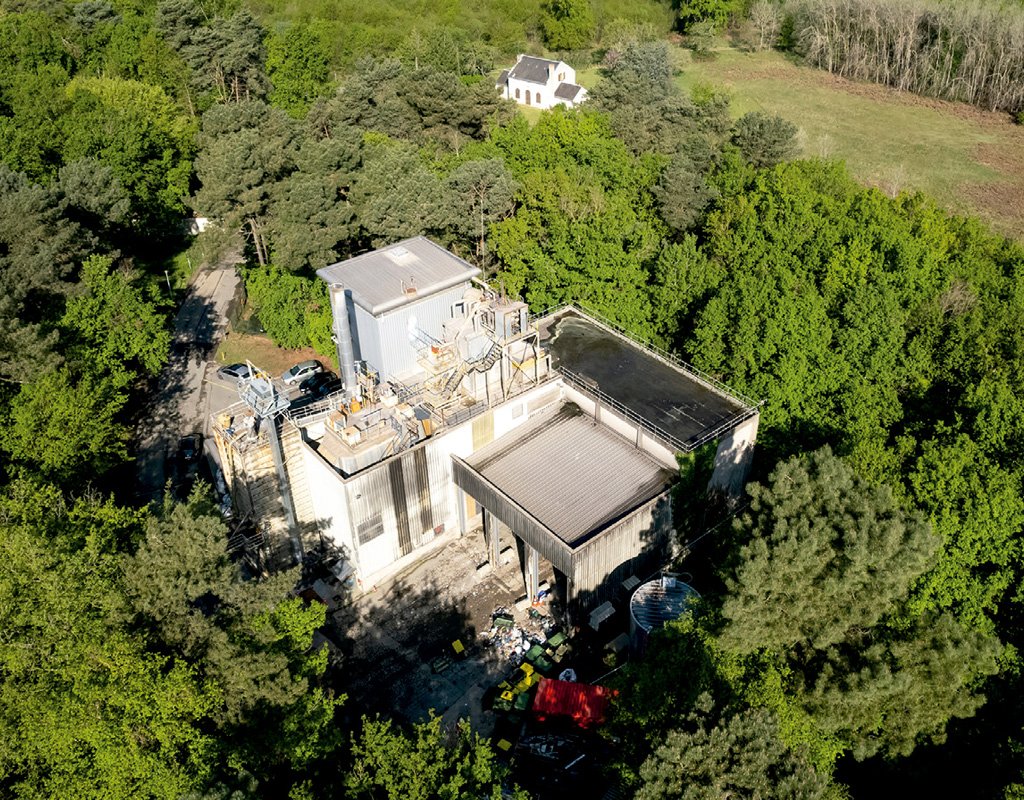
SAINT-BENOÎT-LA-FORÊT
(Chinon, Indre-et-Loire region)
Energy Recovery Unit where the heat produced from municipal solid waste (MSW) is used to supply heating to the neighbouring hospital. It is equipped with a saturated steam boiler and a grate incineration furnace. The facility has an annual treatment capacity of 23,000 tonnes and produces 18,000 MWh of heat per year.
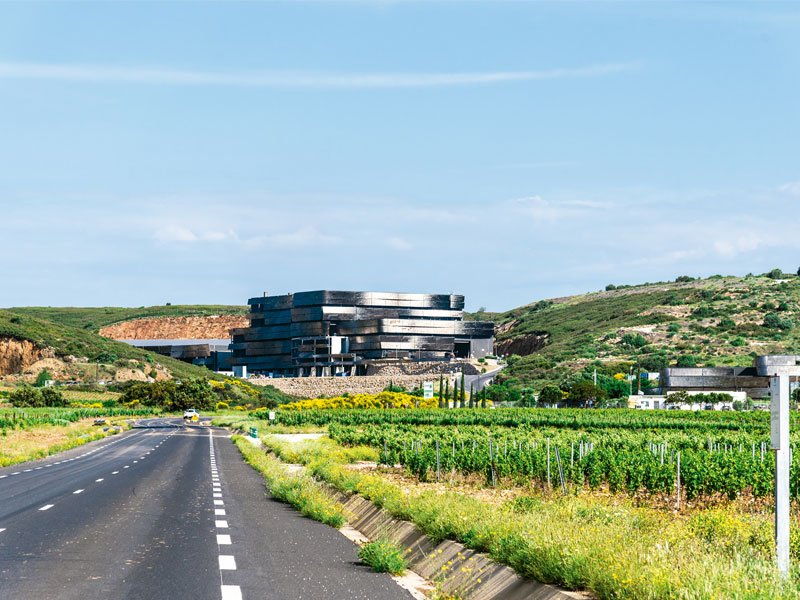
UTVE SYDETOM 66
(Calce, Perpignan region)
This is an Energy Recovery Unit and sorting centre that produces thermal energy and electricity while recycling all packaging and paper waste from nearby municipalities. Due to its architecture, it is known as the “Catalan Guggenheim”.
ORGANIC RECOVERY: (Back to the Earth)
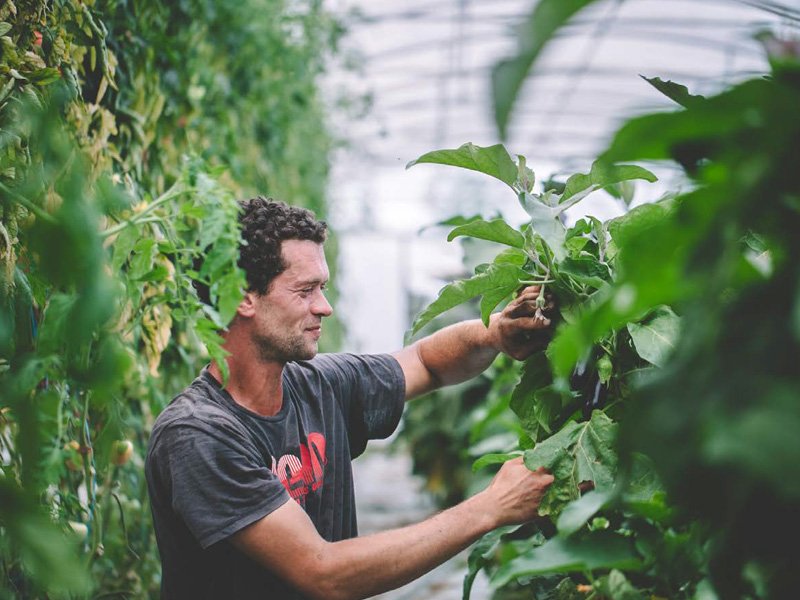
PAPREC AGRO
(Saint-Paul-la-Roche, Dordogne)
An expert in agronomic recovery, it transforms organic waste from the catering and agri-food sectors into compost, which is then sold to local farmers as a substitute for chemical fertilisers. This project won the European Commission’s Sustainable Development Award.
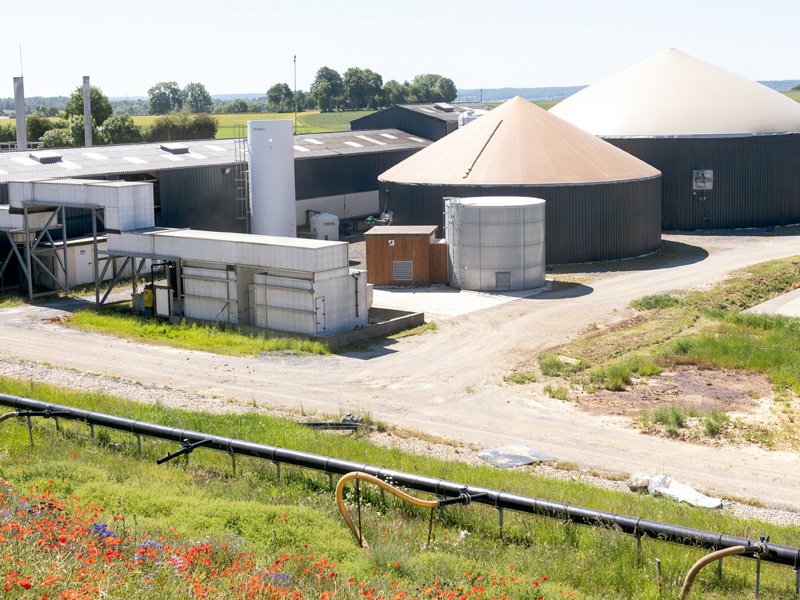
CAPIK METHANISATION PLANT
(Fresnoy-Folny, Upper Normandy)
Facility that transforms part of the biowaste into fertilisers approved by ANSES (Agence nationale de sécurité sanitaire de l'alimentation, de l'environnement et du travail), which are subsequently reused as agricultural fertiliser. The remaining material is converted into biogas, generating electricity and heat.
CONTROLLED LANDFILL
GBI PAPREC
(Girona, Catalonia)
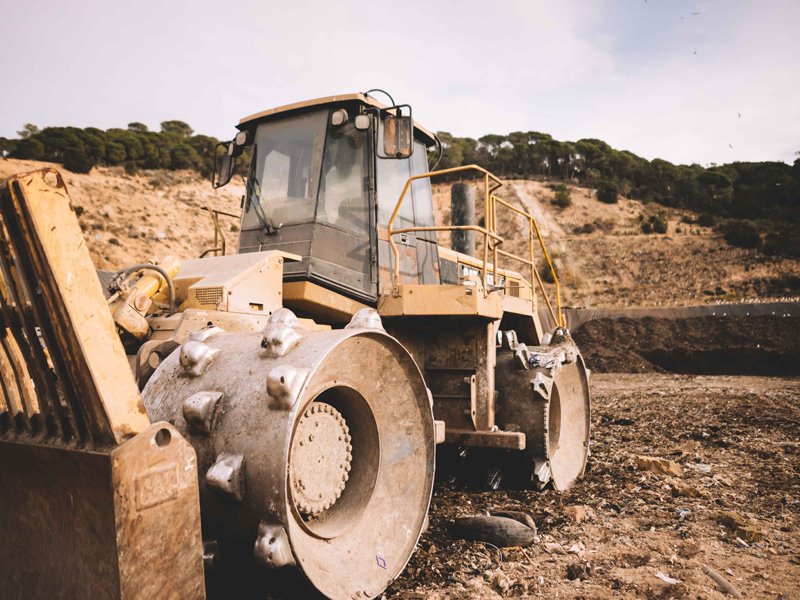
Covering an area of 29 hectares, this facility receives non-recoverable residual waste originating from municipal and construction waste. It provides services to three counties in the province of Girona.
SAINT-FLORENTIN
(Yonne, Burgundy region)
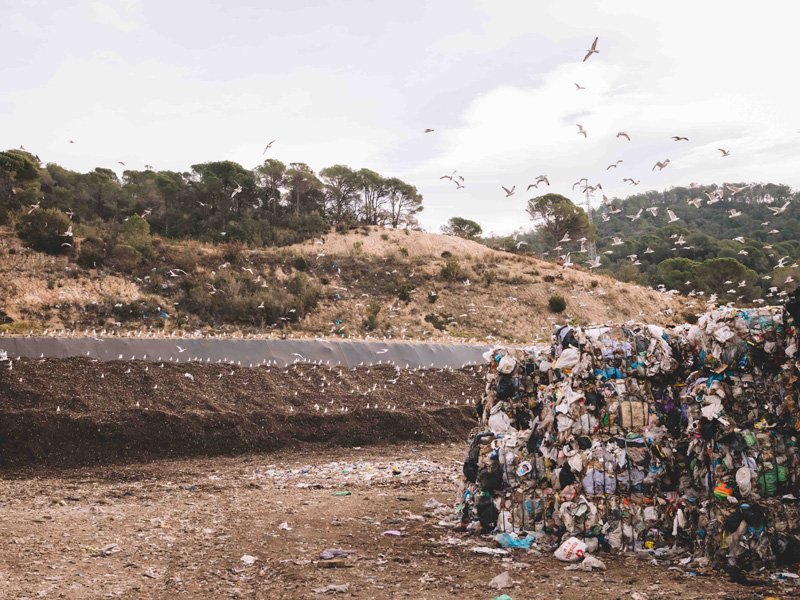
Non-hazardous waste storage facility that converts the biogas generated from buried waste into city gas, which is then directly injected into the GRDF network.